7 Types of Air Conditioners in Malaysia (2026): Split Unit, Cassette, Portable & Best Buying Guide
Table of Contents
Floor Standing Air Conditioner
Did You Know?
Conclusion
FAQ

Introduction
You use your air conditioner almost every day — but did you know there are at least 7 main types of air conditioners in Malaysia in 2026, each designed for different space requirements and budgets?
Choosing the wrong type can result in high electricity bills, insufficient cooling, or wasted installation costs. With Malaysia’s hot and humid weather all year round ☀️, selecting the right system is extremely important.
This article will help you understand each type of air conditioner and guide you in choosing the most suitable one for your home, office, or commercial premises.

The most popular type for homes.
A split unit consists of one indoor unit and one outdoor unit.
Advantages:
Quiet and energy-efficient
Wide range of horsepower (HP) options
Easy to service
Suitable for:
Bedrooms
Small to medium-sized living rooms
This is the most common choice in Malaysia due to its affordable pricing and easy installation.

2. Window Air Conditioner
All-in-one unit design.
A window air conditioner combines all components into a single unit.
Advantages:
Lower initial cost
Simple installation
Disadvantages:
Noisier
Less aesthetically pleasing
Typically found in older homes or rental properties.

Flexible and movable.
Portable air conditioners do not require permanent installation.
Advantages:
Can be moved from one room to another
No major wall hacking required
Disadvantages:
Less efficient for large spaces
Slightly noisy
Suitable for renters or temporary use 🏠
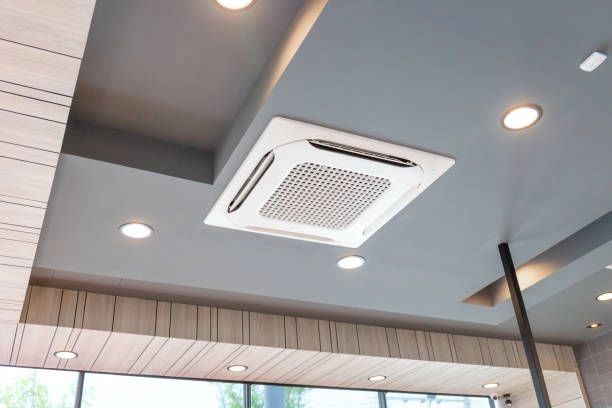
Installed on the ceiling (ceiling cassette type).
Commonly used in offices or retail shops.
Advantages:
4-way air distribution
Neat and modern design
Suitable for:
Commercial spaces
Restaurants and boutiques
Installation cost is higher compared to split units.
5. Ceiling Concealed / Ducted Air Conditioner
Hidden system with air ducts.
The unit is installed above the ceiling and air is distributed through ducts.
Advantages:
Premium and exclusive appearance
Even cooling throughout the space
Disadvantages:
High installation and maintenance costs
Commonly used in luxury homes or corporate offices.

6. Floor Standing Air Conditioner
Freestanding unit for large spaces.
This type stands on the floor and has high cooling capacity.
Suitable for:
Halls
Prayer rooms
Event spaces
It cools large areas quickly, but electricity consumption is also higher ⚡.

7. VRV/VRF System
Advanced commercial cooling system.
VRV (Variable Refrigerant Volume) or VRF (Variable Refrigerant Flow) systems allow one outdoor unit to support multiple indoor units.
Advantages:
Individual temperature control
Long-term energy savings
Suitable for multi-storey buildings
Widely used in hotels, hospitals, and large office buildings.

Best Buying Guide Based on Your Needs
1. Room Size
Ensure the horsepower (HP) matches the room size to avoid energy wastage.
2. Installation Budget
Consider wiring, brackets, piping, and additional works.
3. Energy Efficiency
Choose inverter models for long-term electricity savings 💡.
4. Frequency of Use
If used more than 8 hours daily, investing in an energy-efficient system is more worthwhile.
Did You Know?
Did you know that setting the temperature between 24–26°C is ideal for balancing comfort and energy savings? 🌡️
In addition, inverter models can save up to 30–40% energy compared to non-inverter units for daily use.
Regular servicing every 3–6 months also helps maintain optimal performance and extend lifespan.
Conclusion
There are 7 main types of air conditioners in Malaysia in 2026: split unit, window, portable, cassette, ducted, floor standing, and VRV/VRF systems.
The best choice depends on:
Room size
Budget
Usage purpose
Energy efficiency
Don’t choose based solely on the cheapest price. Consider long-term costs and the comfort of your family or employees.
FAQ
1. Which type of air conditioner saves the most electricity in Malaysia?
Inverter split unit models are usually the most energy-efficient for home use.
2. Is a portable air conditioner suitable for a large living room?
Not recommended due to limited cooling capacity.
3. What is the difference between VRV and VRF?
Both are variable refrigerant systems; the terms differ depending on the manufacturer.
4. What HP is suitable for a 12x12 ft room?
Typically 1.0HP to 1.5HP depending on heat exposure levels.
5. Is a cassette air conditioner suitable for a regular home?
Generally less suitable unless the home has high ceilings and a larger budget.
Want to Choose the Best Air Conditioner Without the Headache?
✅ Get a free consultation today!
📞 WhatsApp us for room size assessment
🎁 Ask about the latest 2026 inverter package promotions
Make a smart choice now and enjoy maximum comfort all year round 😉


Komen